

Dispelling myths about emergency contraception
Persistent misconceptions continue to limit emergency contraception use and shape policy debates. Here, experts break down common myths and provide clinician-ready guidance to help patients make informed choices and improve access.
—by Maria Lissandrello


Paid Advertiser
Paid Advertiser
By 2022, a third of women who ever had penile-vaginal intercourse reported having used emergency contraception (EC) at least once, according to a KFF study. While that’s a significant percentage, experts believe it’s far lower than it could be. They lay part of the blame on several persistent myths that dissuade potential users from turning to EC. Even more troubling, these common misperceptions are influencing some policymakers to restrict access.
As a clinician, you can play a key role in dispelling these myths. Here, expert insight on how to counter false beliefs among your patients and help spread better understanding of—and protect access to—EC.
Myth:
“EC is the same as an abortion pill.”
Why the myth persists: One of the biggest barriers to increased usage of EC is the false belief that it ends pregnancy. In a 2023 KFF poll, nearly three-quarters of respondents believed that oral ECs could end a pregnancy in an early stage. Other studies show people wrongly believe EC works by preventing a fertilized egg from implanting in the uterus. “People conflate it with an abortifacient method,” says Alison Edelman, MD, a professor of obstetrics and gynecology with specialty training in complex family planning at Oregon Health & Science University’s School of Medicine in Portland, OR.
What the science says: Regardless of the method (see sidebar), EC works by delaying ovulation. What’s more, EC is ineffective when taken during a pregnancy, and studies prove it poses no harm to a developing embryo.
What to say to patients: “It’s really common to get these two confused, but emergency contraception is not the same as an abortion,” Dr. Edelman tells her patients. “Emergency contraception is used to prevent pregnancy—you use it before you are pregnant. It works by delaying or stopping ovulation or the release of an egg before a single menstrual cycle. It is not effective nor is it recommended to take if you are already pregnant. If you are pregnant and don’t want to be, then you need to access abortion medications or a procedure.”
Myth:
“EC only works the morning after unprotected sex.”
Why the myth persists: Marketers came up with the moniker “the morning-after pill” in the early days of EC. Unfortunately, the name stuck, causing many potential users to mistakenly think the window for taking it is 24 hours.
What the science says: Although it’s true that EC is most effective when taken as soon as possible after unprotected sex, pills containing levonorgestrel work up to 72 hours later, while ulipristal acetate is effective for up to 5 days. Copper IUDs can also help prevent fertilization when inserted within 5 days of intercourse.
What to say to patients: “Emergency contraception is often known as the ‘morning-after pill,’” Dr. Edelman explains. “But it can actually work from the morning after to up to 5 days later, depending on the kind you use. Even so, it works best if you can take it as soon as possible after an act of unprotected sex. Maybe it should be known as the ‘take-right-away’ or the ‘ASAP’ pill!”
Myth:
“Using EC can cause infertility.”
Why the myth persists: Many “natural wellness” influencers on social media platforms like TikTok and Instagram propagate unsubstantiated claims about EC, including that it causes infertility—and it’s important not to underestimate their impact: “While young people’s most trusted source of contraceptive info is their provider,” says Megan L. Kavanaugh, principal research scientist at the Guttmacher Institute, “their most common source is social media or online.” Significantly, 4 in 10 women believed that repeated use of EC could jeopardize fertility and almost one-third believed it could cause birth defects, according to a 2022 study in Contraception.
What the science says: The World Health Organization confirms that drugs used for EC do not harm future fertility. There is no delay in the return to fertility after taking EC pills.
What to say to patients: “Emergency contraception is a short-term treatment,” Dr. Edelman tells her patients. “It has no lasting effect on your fertility.”
Myth:
“You can’t use EC more than once.”
Why the myth persists: There is some legitimate confusion about how often EC can be used. For instance, the manufacturer instructions for ulipristal acetate state that it should not be taken more than once in the same menstrual cycle, while manufacturer instructions for levonorgestrel indicate that it is safe for repeat use during the same cycle.
What the science says: While studies suggest it is safe to use EC more than once in a cycle, doctors caution against relying on it as a regular form of birth control. Not only are contraceptives more effective, but they are also more convenient and more affordable. That said, advance provision of ulipristal acetate should be considered for any person who is at risk for unintended pregnancy, particularly individuals who lack easy access to pharmacies, clinics or healthcare professionals in case of unprotected sex.
What to say to patients: “You can absolutely use it more than once if you need it,” Dr. Edelman tells patients. “Once you use it, you need to abstain or use condoms for the rest of your menstrual cycle. However, if another act of unprotected sex occurs 24 hours after taking EC, then you need to take it again.”
Myth:
“EC causes severe side effects.”
Why the myth persists: In its earliest incarnations, EC contained much higher doses of hormones and/or involved taking multiple high-dose combined oral contraceptives that could indeed cause side effects such as nausea. In addition, misinformation currently abounds on social media linking the hormones in EC to increased risk of cancer, mental health issues and other side effects.
What the science says: Current formulations contain lower, more targeted dosages of hormones than in the past, and studies show adverse effects are rare. And because both levonorgestrel and ulipristal acetate are absorbed quickly, even patients who experience nausea find that it is short-lived.
What to say to patients: “Most people do great with emergency contraception, but in rare cases, people can temporarily experience nausea, headache, breast tenderness or bloating,” Dr. Edelman assures patients. “It can also make your next period a little earlier or later, and the flow or amount of bleeding could be different. If you do experience a severe side effect, you should contact your healthcare professional for advice.”
EMERGENCY CONTRACEPTION OPTIONS AT A GLANCE
Ulipristal acetate pill. Available by prescription only, this pill delays ovulation by blocking the action of progesterone. Unlike progestin-only pills (see below), ulipristal acetate works even as levels of luteinizing hormone are surging and ovulation is imminent. Ulipristal acetate gives women a longer window—as many as five days—to prevent fertilization. Clinical trials have shown that when taken within a day of unprotected sex, the pill results in a pregnancy rate of just 1% vs. 1.3% when taken within five days. Ulipristal acetate is taken in a single dose of 30 mg.
Progestin-only pill. Containing levonorgestrel, the same hormone found in daily oral contraceptives, this pill inhibits the surge of luteinizing hormone that triggers the release of an egg from the ovary, ultimately blocking ovulation and fertilization. In addition, progestin-only pills thicken the cervical mucus, creating a barrier that sperm find difficult to penetrate. For maximum effectiveness, progestin-only pills must be taken within 72 hours of unprotected sex; doing so decreases the chances of pregnancy by 81% to 90%. Available over the counter, progestin-only pills are generally taken in a single dose of 1.5 mg.
Combination estrogen and progestin pill. This method involves taking two doses of an oral contraceptive that combines progestin and estrogen (levonorgestrel/ethinyl estradiol) 12 hours apart. The pills are most effective when taken within 72 hours of unprotected intercourse but may still be taken within 5 days. Although not as effective as ulipristal acetate or progestin-only pills, this approach (also known as the Yuzpe method) may be convenient for those women who already have a combined oral contraceptive on hand. Note that the dosage depends on the specific brand of combination pill used.
Copper-T IUD. When inserted within five days of unprotected sex, copper-T IUDs are the most effective form of EC, reducing the odds of pregnancy by more than 99%. The IUD releases copper ions into the uterus, impairing sperm motility and preventing sperm from reaching and fertilizing an egg. Once inserted, the IUD will prevent pregnancy for as many as 10 years.
Levonorgestrel 52 mg IUD. Like the copper-T IUD, this IUD can also prevent fertilization when inserted within five days of unprotected sex. It thickens the cervical mucus, making it impenetrable for sperm. Left in place, the IUD can be used as a form of birth control for up to 8 years.



Paid Advertiser
Paid Advertiser
BEYOND THEIR REACH:
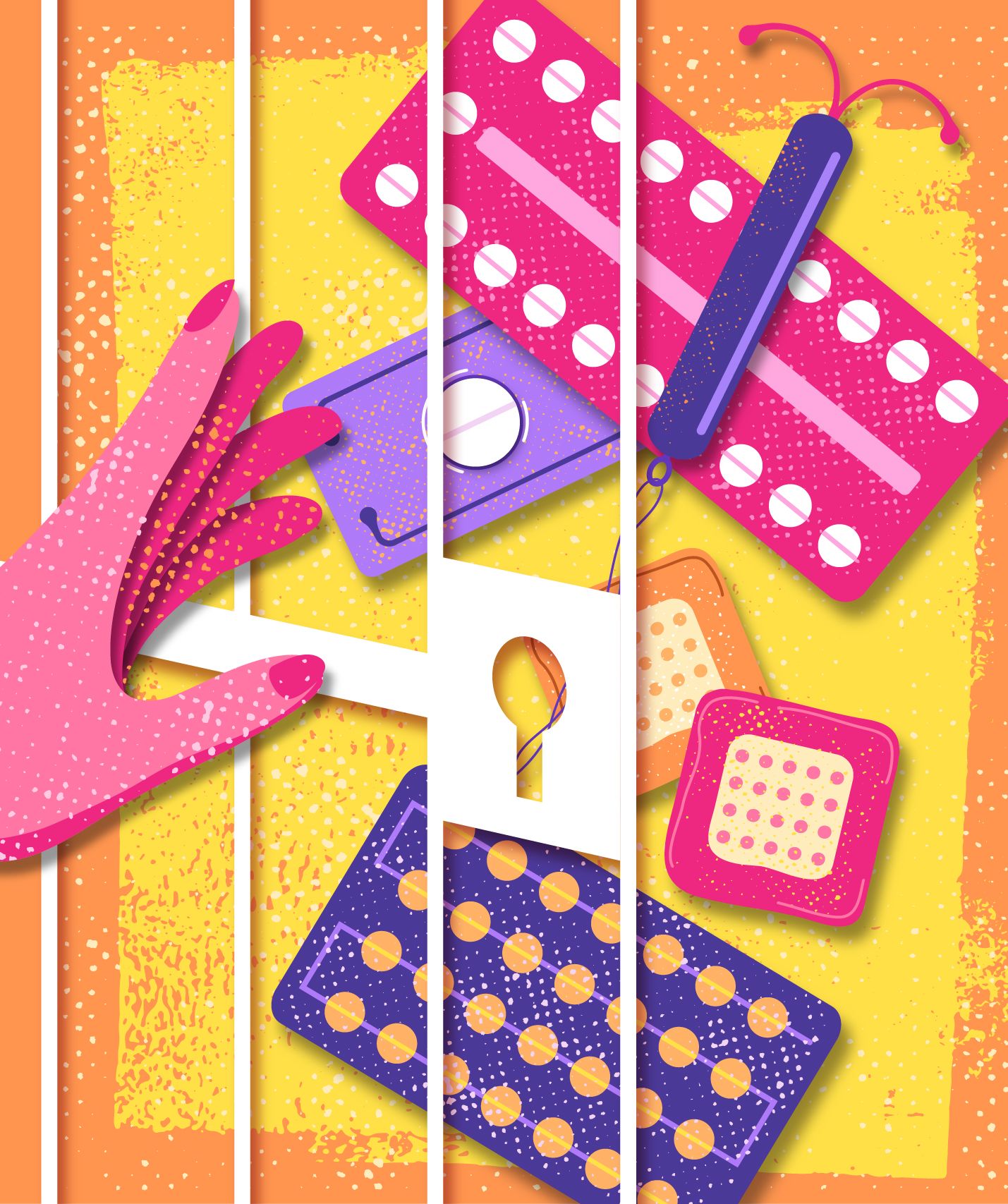
Addressing the contraceptive access crisis
When 3 in 10 women say an OTC birth control pill is the first contraceptive method they’ve ever tried, read it as an urgent mandate to impart information and expand availability.
—by Maria Lissandrello

Paid Advertiser
Paid Advertiser
For more than 19 million women in their childbearing years, finding contraception is a challenge. The reason: Not only do they need publicly funded contraception, they live in contraceptive deserts—meaning they lack reasonable access to a health center. The situation is so dire that nearly 2 million of those women live in counties lacking even a single center offering the full spectrum of contraceptive options.
And the problem isn’t limited to deserts: One in five U.S. women of reproductive age say they have trouble accessing birth control in their state, commonly citing transportation or childcare issues, according to a recent KFF survey. And more than a third of respondents to a 2023 KFF survey say they missed their oral contraceptive because they weren’t able to get their next cycle of pills.
Recent data from Oregon Health & Science University on use of the over-the-counter birth control pill drives home the urgent need for expanded access to contraception: According to the study, 3 in 10 subjects who turned to the OTC option had previously not used any contraception. What’s more, compared to those taking prescription birth control, the OTC takers were more likely to be uninsured, ≤20 years of age and living in rural areas.
As study author Maria I. Rodriguez, MD, MPH, of the Center for Reproductive Health Equity at Oregon Health & Science University in Portland, OR, noted to MedPage Today: “In a time when contraceptive access is being eroded and we have a maternal mortality crisis and access to safe abortions is reduced, what we found is that the over-the-counter pill was really reaching the individuals that have the greatest barriers to accessing care….” Adds Joely Pritzker MS, FNP-C, senior director of health care at Power to Decide and chief medical officer of the Contraceptive Access Initiative (CAI): “What the finding underscores is that the availability of these methods really does expand access for people who weren’t previously able to get the contraception they wanted or needed. Being able to go to a local pharmacy or grocery store or order them online marks a meaningful shift.”
While OTC contraception is certainly filling a void, there’s more work to be done—and much of it can begin in the sanctity of the exam room.
Study the options, know the facts
Pritzker points to lack of clinician awareness as one of the factors standing between patients and their contraception of choice. For example, Pritzker shares, “I have colleagues who are family practice providers, and when I asked them if they’ve mentioned OTC pills to their patients, many said, ‘Oh, I didn’t think they were available anywhere,’ or ‘I thought it was only for people over 18.’”
And the problem isn’t restricted to OTC birth control. In a new study, roughly a quarter of clinicians were unaware of self-administered injectable contraception, an option that has been available for more than two decades.
For fast insight: The University of California, San Francisco, offers a free reproductive health hotline (Repro HH) that provides confidential clinical information to all U.S.-based healthcare professionals. It is staffed by UCSF board-certified OB/GYNs and family physicians with specialized expertise in sexual and reproductive health. Call 1-844-ReproHH (844-737-7644).
Test the conversational waters
Pritzker routinely asks patients if they would like to discuss any reproductive health needs: “I ask everyone if there is anything they want to talk about related to birth control. It puts the power in the patient’s hands—is this a convo they want to have today?”
Focus on values and priorities
A shift has been under way in how clinicians present contraceptive options. “We moved from a time-consuming ‘menu approach,’ where we talked about every single possible option, to an efficacy-based presentation, but that didn’t quite land either—people felt providers were pushing them toward options that didn’t align with their values,” says Pritzker. Instead, she recommends values- and priority-based conversations, or person-centered contraceptive counseling. That means “tailoring the convo to what the person says are important qualities. For example, how will a method affect their period? Can they start and stop on their own? How well does it work?”
This method not only saves time, says Pritzker, but also incorporates what we know about adult learning: “People can only retain a certain amount of info. The more we can tailor info to what is important to them, the better their retention.”
Hear and respond
Whenever possible, Pritzker urges recommending a method that links to something the patient has said—e.g., “It’s really important to me to not get pregnant before I finish school…” or “I can’t get out of bed all day because of my heavy, crampy periods.” “The more we’re able to explicitly draw that connection, the better able we are to build trust,” says Pritzker. “It shows we’re listening, and we’re offering it because of something they’ve said.” And that’s not the only benefit. As Pritzker points out, “When people get person-centered contraceptive counseling, they are more likely to be happy with their contraceptive choice, which has been shown to correlate with ongoing adherence.”
HELPFUL TOOLS TO FURTHER DISCUSSIONS
To stay up-to-date on contraceptive options: CDC’s Contraception App
To align contraceptive options with patient priorities (and save time): Bedsider Providers’ printable decision aid
To help patients in shared decision-making: Bedsider’s contraception comparison chart
Reminder: Contraceptive conversations can happen any time
With people of reproductive age now able to obtain birth control over the counter, via telehealth or online, some clinicians are growing concerned about safety issues and continuity of care. However, Joely Pritzker MS, FNP-C, senior director of health care at Power to Decide and chief medical officer of the Contraceptive Access Initiative (CAI), points out that patients will still be coming in for cervical cancer screening, STI testing and chronic disease management. “Those visits provide an opportunity to check in with contraceptive needs and find out if they need additional support or have any questions,” she says. As mentioned in the main article, she asks patients at every visit if they have any reproductive care issues they would like to address.



Paid Advertiser
Paid Advertiser
Q&A
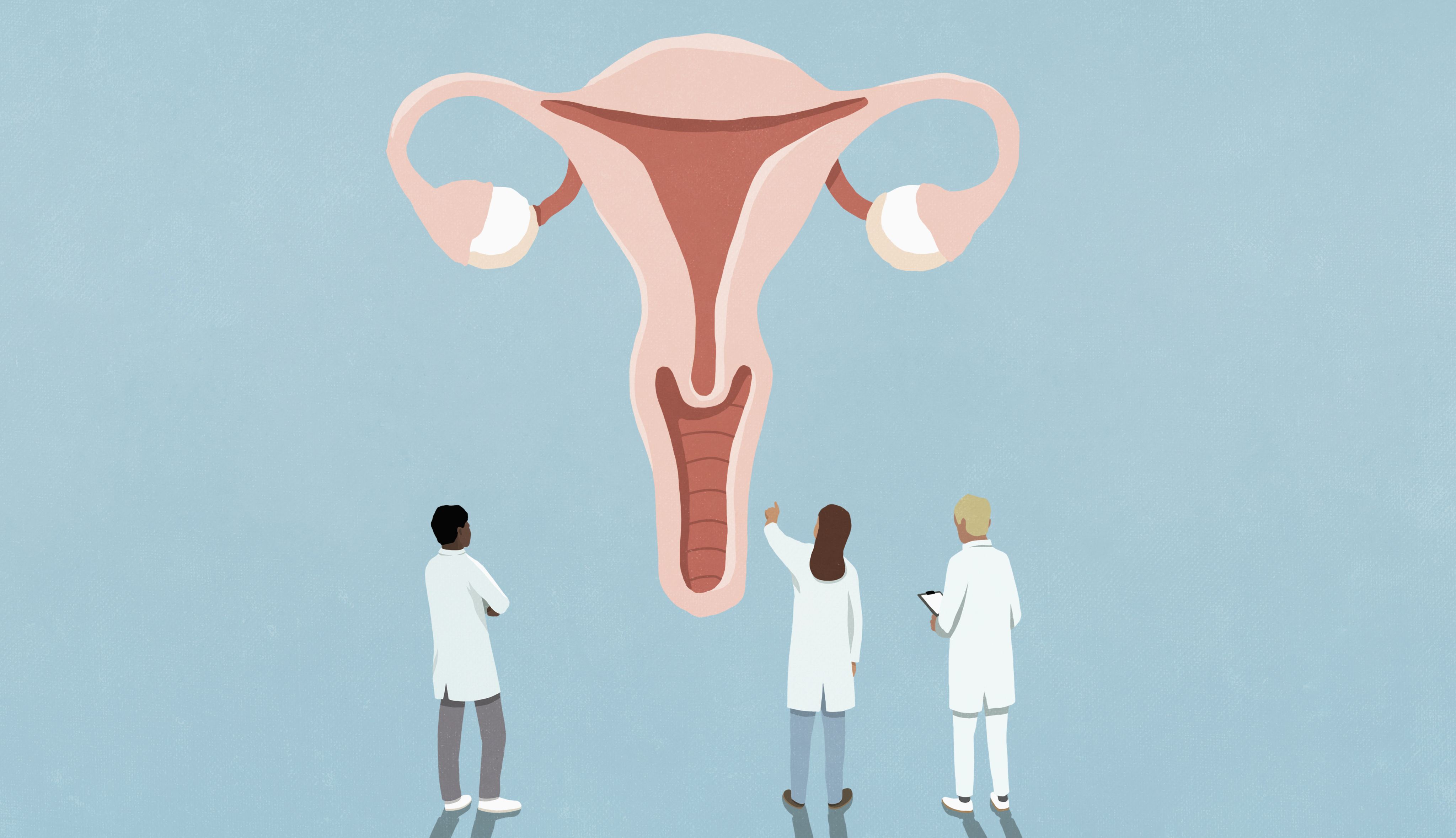
Insight on talking about contraception

Paid Advertiser
Paid Advertiser


Illustration by Juhee Kim
Illustration by Juhee Kim
OUR EXPERT:
Mary Jane Minkin, MD, FACOG
Clinical Professor, Department of Obstetrics, Gynecology, and Reproductive Sciences,
Yale University School of Medicine,
New Haven, CT
COMBATTING STIGMA
Q: How do you address stigma patients may feel asking or being asked about contraception?
A: It helps to normalize the conversation from the start. I let them know that sexual activity is a natural part of life, and if they’re not wanting to conceive, or would like to be pregnant at a later date, using birth control is the responsible way to proceed. It’s important to emphasize that many safe, reliable methods are available and that my role is to provide clear, unbiased information so they can choose what works best for them.
Reassuring patients about confidentiality is also key. Tell them that conversations are private, and they should feel empowered to seek care where they feel comfortable—whether with their current clinician, another women’s health professional or community resources such as Planned Parenthood. For patients who feel anxious about obtaining a prescription for oral contraceptives, I let them know there are currently pills that are quite safe, which are available without prescriptions.
Of course, advocating for patients to practice safe sex to minimize any potentially sexually transmitted diseases is also important. So I let them know there shouldn’t be stigmas involved in asking about their partner’s past sexual history and using barrier methods like condoms as well as another contraceptive.
FOSTERING OPEN DISCUSSIONS
Q: What questions do you wish patients would ask more often when choosing or using a birth control method? And how does that inform your practice?
A: We as healthcare professionals should realize that many women hesitate to ask questions about contraception because of embarrassment. Particularly for young women, I always start the conversation by saying, “I know you may be embarrassed to talk about this,” then assure them they’re in a safe space and emphasize that they’re being responsible by taking care of their health.
It is important to find out what they are comfortable with: Some women are concerned about “chemicals” in their bodies and don’t want pills. Some may be worried that they’ll be forgetful with contraception, and for them, an IUD may be ideal. Some are really concerned about sexually transmitted diseases, and for them, we really need to emphasize the role of condoms and contraceptive gels for extra reliability.
I also like to discuss the “what-ifs”—that is, what if a method fails? If this would be catastrophic for a patient, we should provide them with methods that are as reliable as possible and recommend using condoms (which will help with STI protection as well) for extra insurance. If a woman is really happy about the thought of birth control pills, we should counsel her that we’re going to try to match her with the best pill for her, but that if one doesn’t work, we can most likely find another formulation that will agree with her. We can truly tell her that we have more choices now than we ever had in the past!
UNDERSTANDING ADVANCES
Q: How has the landscape of contraceptive care changed in recent years, and what do you think clinicians need to adapt to most right now?
A: Access to contraception has expanded significantly, including OTC options, which improves availability especially in areas where healthcare professionals are scarce. However, clinician guidance remains super valuable! Patients will always benefit from counseling on proper use of contraceptives, and we can guide them to a method that may be appropriate for them.
Clinicians should also proactively discuss emergency contraception. Even with careful planning, gaps in protection can occur, and patients should know that effective options are available both with and without prescriptions. Having these conversations in advance helps normalize preparedness.
Clinical Minute:
Test your knowledge of contraception.
Check the correct answer(s) for each question.
Paid Advertiser
Paid Advertiser
Special thanks to our medical reviewer:
Mary Jane Minkin, MD, FACOG
Clinical Professor, Department of Obstetrics, Gynecology, and Reproductive Sciences, Yale University School of Medicine, New Haven, CT
Lindsay Bosslett, Vice President, Editor-In-Chief; Lori Murray, Vice President, Executive Editor; Amanda Prost, Editor; Joana Mangune, Editorial Manager; Debra Koch, Senior Copy Editor; Erica Kerber, Vice President, Creative Director; Suzanne Augustyn, Senior Art Director; Kimberly H. Vivas, Senior Vice President, Production and Project Management; Rachel Pres, Senior Director, Digital Production
Dawn Vezirian, Senior Vice President, Financial Planning and Analysis; Tricia Tuozzo, Senior Manager, Client Solutions, Key Accounts; Gwen Park, Senior Vice President, Pharma Sales; Augie Caruso, Executive Vice President, Sales and Key Accounts; Keith Sedlak, Executive Vice President, Chief Commercial Officer; Neil Glass, Chief Financial Officer; David M. Paragamian, Chief Executive Officer
Health Monitor Network is the leading clinical and patient education publisher in healthcare professional offices, providing specialty patient guides, clinician updates and digital screens.
Health Monitor Network, 11 Philips Parkway, Montvale, NJ 07645; healthmonitornetwork.com/contact.
©2026 Data Centrum Communications, Inc.
RPA26-OTC-FOC-LLE
 Built with Shorthand