
Live life on your terms!
You have what it takes to rein in your diabetes and achieve your goal numbers. Start by partnering with your care team to create the treatment plan that yields results!
Receiving a diagnosis of type 2 diabetes can feel overwhelming, but it can also be the beginning of a journey toward better health. By making small, positive changes every day, you have the power to take control of your future.
What’s more, today we understand diabetes—and how to manage it—better than ever.
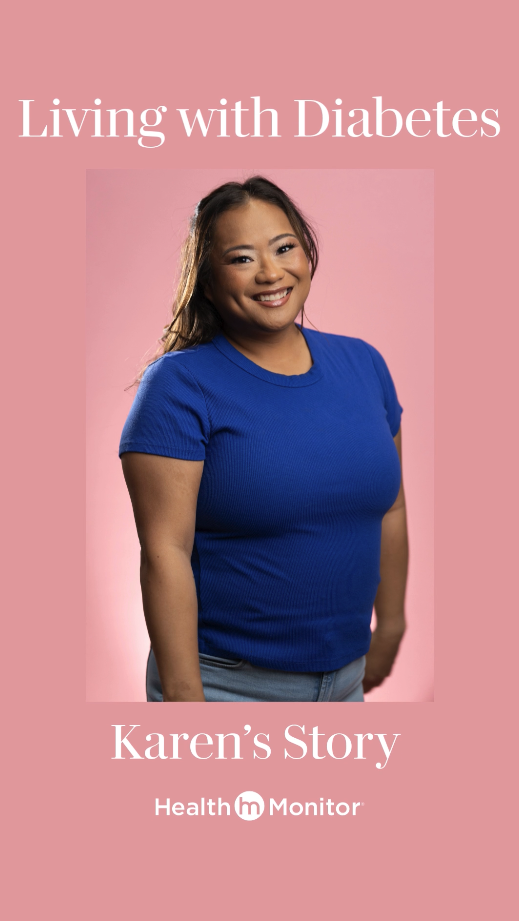
Just ask Karen Carratura of New Jersey, who's been living with type 2 diabetes for seven years. A local community theater actor, Karen initially struggled to keep her blood sugar levels in check. But these days, a GLP-1 medication, along with a healthy eating plan and daily workouts, has her feeling better than ever—her A1C is under control, she’s down 27 lbs., and she's power-walked in two 5K runs this year. Karen's message? “It’s never too late to turn your situation around!”
Or read about Jim Sipe, a software developer living in the Pacific Northwest, who can identify with the frustrations around controlling blood sugar levels in the early days of diagnosis. Today, thanks to a healthier relationship with food and a new passion for gravel biking, Jim’s physical and mental health has improved and he’s showing others that diabetes doesn’t have to limit your life!
__
Take a stand today!
No matter where you are in your diabetes journey, it’s not too late to get inspired by Karen and Jim, who share their blood sugar-lowering strategies here. And in this guide, you’ll find even more tools and tips that can help you along the way. But first, let’s take a closer look at diabetes, what it is and how it affects your body.
__
What is diabetes?
Diabetes is a metabolic disorder that disrupts your body’s ability to produce or use insulin, which causes blood sugar levels to rise. Normally, beta cells, found in the pancreas, make insulin—the hormone that helps blood sugar enter cells to be used for energy. (Hormones are a natural chemical found in the body.)
In type 1 diabetes, beta cells are destroyed by the immune system, so the body does not make enough insulin. In type 2 diabetes, beta cells either don’t produce enough insulin and/or the body’s cells do not respond correctly to insulin (known as insulin resistance).
When blood sugar is unable to enter the body’s cells, it builds up in the bloodstream. Over time, excess blood sugar can lead to body-wide damage, including vision loss, heart disease, kidney disease and nerve damage.
Early symptoms of diabetes can include:
- frequent urination
- slow-healing wounds
- blurry vision
- fatigue
- increased thirst and hunger
- weight loss
- tingling in hands and/or feet
- very dry skin
- increased infections
__
Medicine can help
If you have type 1 diabetes, you will need to use insulin to treat the condition. If you have type 2 diabetes, oral medications, non-insulin injectables and/or insulin can help you manage your blood sugar levels. (Click here for information on medication options for people with type 2 diabetes.)
__
Create a plan
Work with your diabetes care team to identify your blood sugar and A1C goals, and create an action plan to achieve them. Lifestyle changes are also important, so be sure to discuss those topics with your provider, as well.
A special concern for people of color
Photo by Lawrence Crayton on Unsplash
Photo by Lawrence Crayton on Unsplash
37 million American have diabetes—and that number is on the rise, especially in Black, Hispanic, Native American and Asian communities.
The rate of diabetes in Black people is 60% higher compared with White people, more than 50% higher in Hispanic and Native Americans and more than 40% higher in Asian Americans.
What does that mean for you? If you are a person of color and have experienced any symptoms, be sure to tell your healthcare professional and ask that your blood sugar levels be tested.
Luckily, getting prompt and effective treatment can help stave off complications for all people with diabetes.
How medicines can help
The good news for people with type 2 diabetes? Today’s treatments can help you thrive! Ask your diabetes care team if these options are right for you.
Diabetes pills
Metformin decreases blood sugar made by the liver.
Oral glucagon-like peptide receptor agonists (GLP-1s) increase insulin secretion, slow stomach emptying, and lead to reduced food intake and feeling full, with low risk of hypoglycemia (low blood sugar). An injectable form is also available.
Sodium-glucose co-transporter 2 (SGLT2) inhibitors promote the release of excess blood sugar through urine.
Dipeptidyl peptidase-4 (DPP-4) inhibitors prevent breakdown of a blood-sugar lowering compound.
Thiazolidinediones (TZDs) increase how your body responds to insulin.
Non-insulin Injectable Medicines
Injectable GLP-1s increase insulin secretion, slow stomach emptying, and lead to reduced food intake and feeling full, with low risk of hypoglycemia. An oral form is also available.
Glucose-dependent insulinotropic polypeptide (GIP)/GLP-1 combinations include GIP, a hormone that stimulates insulin secretion in response to food, as well as a GLP-1 to help your body better manage your blood sugar levels.
Insulin Injections
Insulin helps your body take up blood sugar into cells and helps the liver to store sugar.
Basal, or long-acting, insulin is typically taken once a day and acts slowly over 24 hours.
Bolus, or rapid-acting, insulin is taken before meals to prevent blood sugar increases after eating.
Combination Injectable Medicines
Insulin and GLP-1s can be combined in a fixed-dose pen. The insulin helps keep blood sugar levels within target range, while the GLP-1 helps the pancreas release insulin after eating.
Trouble remembering your meds or appointments? Use the calendar on your phone or tablet to keep track of daily meds, healthcare appointments and tests. Even better, synchronize your calendar with your loved ones to keep you both up-to-date.
“I’ve never felt so happy in my body!”
For years, Karen Carratura had difficulty managing her type 2 diabetes. But she finally turned her blood sugar levels around once she partnered with her care team and found a treatment that works for her!
—by Amy Capetta
There’s no doubt about it—Karen Carratura radiates vitality and a zest for life. When the 37-year-old from Carteret, NJ, isn’t posting comical videos with her husband John on social media, she can likely be found acting, singing and dancing on stage with her castmates at the local community theater companies Mystic Vision Players and CDC Theatre or lacing up her sneakers for a workout.
“I exercise for 30 minutes every single day whether it’s doing strength training at the gym or walking,” she says with enthusiasm while walking one of her beloved dogs in the park. “I wear my Apple Watch to keep me accountable, but having dogs is also really helpful!”
“There were signs all along”
Karen has many motivators to stay active and engaged—not the least of which is the fact she’s been living with type 2 diabetes for seven years. Her health journey began when she and John met with a fertility specialist in 2018 and the results from her bloodwork showed she had an A1C level (which indicates a patient’s average blood sugar levels over the previous three months) of 7.1%. (A normal A1C level is below 5.7%, a level of 5.7% to 6.4% indicates prediabetes and 6.5% and higher indicates diabetes.)
Looking back, Karen realizes she had been dealing with a common symptom of type 2 diabetes: excessive thirst. “I’d been having an obsession with ice,” she recalls. “I was constantly chewing on it and needed a lot of it in every drink.”
“I was determined to make a change”
After her diagnosis, Karen met with her primary care physician (who prescribed a first-line treatment medicine), as well as with a nutritionist who explained the role diet plays in managing blood glucose levels. “I’d been eating three large meals a day that were heavy in carbs,” she continues. “I’m Filipino—white rice was a part of my life!” Fast food (“McDonald’s almost every day!”) and pasta were also staples.
For the next few years, Karen made an effort to clean up her diet, hit the gym and take her meds as prescribed. However, her A1C only dropped to 6.7% and her goal was to get it under 6.0%.
“I fell back into old habits”
Karen admits that over time she slipped back into old habits, like eating fried food and drinking with friends, but hoped that adding in more exercise would offset her less healthy choices—to no avail.
“My health felt uncontrollable,” she explains. “No matter how many diets and workout challenges I followed, nothing was getting me to goal, and that made it nearly impossible to stay motivated. I blamed myself—everything from my genetics to a lack of discipline—and was starting to accept I’d be this way forever.”
“I asked about a different treatment”
As fate would have it, Karen kept reading stories about the positive results others were experiencing taking a glucagon-like peptide-1 (GLP-1), so she discussed the prescription medication with her doctor. Karen’s MD said she met the criteria (and believed her insurance would cover the cost). “Then she drilled into me that this med was not magic—it’s a tool that could be very effective when added to a healthy lifestyle of proper eating and regular exercise.”
Karen began the GLP-1 during the 2024 holiday season and remained diligent about her food choices and workout schedule. She not only found the medication easy to tolerate, but she also began to see results.
“I feel like a new person now!”
Today, Karen's A1C has dropped to 5.7% (putting her on the borderline of prediabetes and a normal A1C level) and her intentional lifestyle choices have helped her lose 27 lbs. “I even power-walked in two 5K runs this year, which is a first for me!” she says. “I’ve never felt so happy in my body—both physically and mentally.”
Her number one message for others living with diabetes: It’s never too late to turn your situation around. “What a difference a year makes when you’re given the right medicine and are taking your health seriously. Trust me—this is not the end!”
Take care of your health, like Karen!
Here, Karen offers more of the lifestyle strategies that have been keeping her A1C levels—and overall health—in check.
Test your blood sugar regularly. Since Karen understands that monitoring blood glucose levels can aid in managing type 2 diabetes, she makes it a point to use a Bluetooth blood glucose meter daily. In fact, the device is not only paired to her smartphone, but the test results are sent to Karen’s patient portal so her physician can keep an eye on her progress. “I also check my blood pressure each day and she receives those numbers, as well. And if for some reason I miss a couple of days, she’ll message me and say, ‘Hey there! Where are your results?’ It’s a great program.”
Suss out sneaky sugar. Over the years, Karen discovered there are numerous not-so-obvious foods that contain sugar, such as jarred pasta sauces, salad dressings and ketchup. “Even something as simple as orange juice—it’s packed with sugar!” she says. “Now I’m focused on reading ingredients labels, yet it’s just not about the number of calories anymore. I’m paying close attention to the amounts of added sugars and sodium, too.” In addition to checking the nutrition facts, you can also spot “sneaky” added sugar by checking ingredients lists for dextrose, fructose, sucrose, maltose and corn syrup.
Balance your plate. For Karen, fast food meals and snacks have been replaced with lean proteins (“I’m big on chicken, yet fish has been my best friend lately!”), complex carbohydrates (like brown rice), fruit (“Eating fruit satisfies my sweet cravings”) and dairy for snacks (such as Greek yogurt or cubes of cheese). “I don’t cut carbs out completely, but I do try to focus my meals around lean protein, which helps me feel full.”
Lean on trusted healthcare professionals. Karen, who can be found on Instagram @hashtagkarenag, thinks the world of her primary care physician. “She’s my favorite and if I didn’t have my doctor supporting me the way that she does, who knows what my health would be like today.” Karen strongly suggests relying on the members of your healthcare team for evidence-based answers to medical questions, along with “anything else you may need,” like a referral to a registered dietitian, informational brochures or suggestions on diabetes devices and technology. “If you are reading this article in your doctor’s office, then you already have a support system in place!”
“I’m back on track!”
JIM SIPE, 53
BEND, OR
On any given day in the Pacific Northwest, you’ll likely find 53-year-old Jim Sipe blazing a trail on his gravel bike. Jim, a software developer, developed a passion for mountain biking as a teenager in rural Arizona. “I lived in Phoenix and had always been super active,” he explains. “My family had the second-largest ranch in the state (John Wayne’s ranch bordered it!) and the closest neighbor was over 40 minutes away,” he says. So when he started feeling abnormally fatigued after routine long rides, he began to wonder what was going on. “It was hot, and that can cause fatigue, but it’s not like I wasn’t used to heat growing up in Arizona.”
“My body was in shock”
In addition to feeling dehydrated and faint after rides, Jim began to notice sores developing on his lower back. “Brown recluses are common in the southwest, so I thought maybe I’d been bitten and went to the health center to get checked out.” Jim was shocked when he was diagnosed not with bites, but with shingles, despite being decades younger than the typical age for the virus. The culprit? His blood sugar was dangerously high at 248 mg/dL—he had uncontrolled diabetes and it was impacting his immune system, which triggered the shingles.
Jim took his diagnosis seriously from the start and jumped all-in trying to get his blood sugar under control…but in retrospect realized he may have taken things a bit too far. “I monitored every single thing I ate and kept detailed logs. I was very draconian. Being so strict nearly destroyed my life,” he remembers.
“Riding brought me back to myself”
Eventually, Jim moved to Bend, OR. The move was the perfect time for him to reassess how he’d been approaching his diabetes diagnosis. He decided to relax his stringent food monitoring and channel his quest to improve his health into being active again, which is when he discovered gravel cycling—riding on unpaved surfaces and farm roads.
“Riding equalizes everything. It takes me to my core self. It strips away the stress and all the things that don’t really matter,” Jim says. “After a long ride, I’ll be in a different state of mind for weeks. So it’s not only important for my mental health, but the physical benefits are there, too. Science has proven that being active helps your body better regulate its blood sugar levels, boosts your metabolism and helps stave off many of the complications—like heart disease—that can be more of a risk when you have diabetes.”
“Gravel cycling helped me physically and mentally!”
Jim’s love for gravel cycling grew even more after a race earlier this year where he and his wife, Lisa, met Linda English, executive director and co-founder of Dirty Freehub—the premier resource for gravel cycling routes across the western U.S.
Jim and his wife Lisa enjoy the health benefits of gravel cycling.
Jim and his wife Lisa enjoy the health benefits of gravel cycling.
“Gravel cycling is great if you are tired of all the traffic on main roads, but it’s difficult to know where to ride. Since 2013, Dirty Freehub has mapped routes that show riders where they can go and provides all the information they need to make decisions on a ride,” explains Linda.
This year, Dirty Freehub expanded its programming to include routes and tips for riders with visible and invisible disabilities. And this is where Jim comes into the picture. “Jim is an amazing athlete, and he doesn’t let diabetes hold him back from being competitive. So we thought, How can we make athletes like Jim influencers for others living with diabetes and chronic conditions?” That’s when Linda created the Limitless Gravel Program—Jim is now an inaugural member of their Gravel Champ Hall of Fame.
“Gravel biking is an excellent sport for those who deal with physical challenges. We partner with individuals from the disability community to inspire and build confidence in other riders via detailed Ride Guides," says Linda. "This lets cyclists, especially ones with complicated diseases like diabetes, select routes that are perfect for each individual. We have shorter, easier routes to get you going (our All Access routes), and longer routes so you can progress. With over 300 Ride Guides across the Western U.S., cyclists use our Ride Guides to vacation as well as find local rides in their own backyard.”
These days, Jim is still hard at work training for future bike races, but he always makes time to discuss his health journey. “I’m excited about finding ways to share my story. I’ve realized that I can manage my diabetes and still have a full life!”
Get gravel cycling, like Jim!
Going on a long bike ride has numerous health benefits, but requires some planning if you have diabetes. Jim shares his top tips for a successful ride:
Be flexible. “Give yourself some leeway—some rides will be good and others not so much. Sickness, exercise, temperature and your diet can all affect your rides on any given day.”
Set personal goals. Pick something that excites you and share it with others. “Having a goal keeps me motivated year-round. It doesn’t have to be a race goal, just something that challenges me. My current goal is to ride 6,000 miles this year.”
Plan your fuel. Jim frequently competes in century (aka 100-mile) rides and 24-hour treks. “I might stop every 15 minutes to have a snack and manage my blood sugar.” His go-to? 100-calorie sports gels. “They are durable, so I can throw them in my pocket, and they have simple carbs that immediately fix low blood sugar levels!”
Stay refreshed. “If you are dehydrated, your blood volume is lower and may cause the insulin percentage in your blood to increase.” Before every ride, Jim pre-hydrates with some water and electrolytes, and also brings both along on his ride. “Don’t just drink water when doing any type of endurance activity—that can actually dilute your electrolytes.” If you’re unsure how much to eat and drink during an activity, be sure to get detailed instructions from your healthcare team.


Ask the expert
Get an expert's answers to your questions about type 2 diabetes
OUR EXPERT
Rachel Pessah-Pollack, MD, FACE
Clinical Professor, Division of Endocrinology, Diabetes & Metabolism, NYU Grossman School of Medicine, NYU Langone Health, New York, NY
HELP WITH TREATMENT COSTS?
Q: I was recently diagnosed with type 2 diabetes, and I’m worried about the next steps. Adding to my worries is the cost. I’m not entirely sure I can afford the medicine I need. What are my treatment options and are there any programs that can help me afford them?
A: Navigating a new diabetes diagnosis can be overwhelming, but it’s important to know there are numerous resources and treatments to help you get on the right path. One of the first line treatments is biguanide, which is an inexpensive medication option and given as a pill. Some of the other medications we use include GLP-1 and SGLT-2 inhibitors. Whatever you’re prescribed, there are numerous savings programs and assistance plans that can help. Make sure you talk to your doctor to determine what the right first choice of medication is for you and ensure your clinical care team is also aware of your concerns regarding cost.
EXERCISING SAFELY
Q: I’ve been working hard to get more exercise per my doctor’s recommendation. I’ve been consistent, but the problem is I’m not able to complete a workout because I get dizzy about halfway through. Why is this happening and what can I do to prevent it?
A: Congratulations on trying to increase your activity, aiming for the recommended 150 minutes per week of moderate or vigorous intensity aerobic activity. If you are experiencing dizziness during exercise, this requires an immediate evaluation. Some medications that treat diabetes, including insulin, can lead to low blood sugar, which can cause this symptom. The best way to tell: do a fingerstick test to determine your blood sugar level when the dizziness occurs. If it comes back low, let your healthcare team know this is happening so they can work with you to potentially adjust how you’re dosing your medication or if you should be eating a snack prior to exercise. If your blood sugar level is normal when you’re experiencing dizziness, your care team may order additional tests to determine the cause. Additionally, you should also double check your blood pressure to ensure that it isn't dropping too low or spiking while you're exercising.
Make meal prepping work for you!
As Ferris Bueller once said, "Life moves pretty fast." That can make it tempting to turn to takeout and grab-and-go meals throughout the week—often at the expense of eating healthy. That’s where meal prepping can come in, says Miriam Shurpin, MS, RD, CDN—and she promises it doesn’t have to take hours to do. Here, she shares her three-step method to make it simple and stress-free!
—by Sara Rotondi
Step 1:
Make a list of meals you’re actually going to eat.
A common mistake for first-time meal preppers? Creating a bunch of super healthy but ultimately bland meals that you wind up not wanting to eat during the week. The truth is, the more you enjoy your food plan, the more likely you are to stick to it, found a study published in PLOS One. Expand beyond just roasted sheet pan dinners and mix in things like chilis, soups, pasta bakes and casseroles. When you do so, “batch-cooking nutritious treats can make healthy eating easy and enjoyable,” says Shurpin.
Step 2:
Create a base ingredient list.
Another common pitfall of meal prepping is over-diversifying. In an attempt to create new meals each week, you may buy a ton of ingredients—some of which wind up getting thrown out later after not being used. Instead, make a list of foundational ingredients you enjoy and try to build most meals around those. Foods like chicken, fish, onions, garlic, peppers, root vegetables, leafy greens, beans and brown rice, to name a few, can be mixed and matched to create a whole array of meals. Have a core set of spices, vinegars and marinades on hand to keep flavors interesting.
Step 3:
Be realistic.
Meal prepping for a whole week got you overwhelmed? Try cutting it down to three or four days at first. “And try to make your meal prep time consistent—a lot of people choose Sundays, but you can do whatever works for you. The key is to treat it as a non-negotiable part of your routine,” says Shurpin. Once meal-prepping becomes a habit, you’ll be amazed how easy it is to incorporate into your life—and how beneficial it can
be to your health!
Quiz
Do you know the numbers behind diabetes in America? Take our quiz!
Special thanks to our medical reviewer:
Tamis M. Bright, MD, FACE, Chief, Division of Endocrinology, Texas Tech University Health Sciences Center
Content reviewed by:
AACE is not responsible for statements and opinions of authors or the claims made by advertisers. The appearance of advertising does not imply endorsement of or guarantee the claims of the advertisers.
Lindsay Bosslett, Vice President, Editor-In-Chief; Joana Mangune, Editorial Manager; Amanda Prost, Editor; Sara Rotondi, Associate Editor; Debra Koch, Senior Copy Editor; Heather Liang, Senior Copy Editor; Maria Lissandrello, Editor Emeritus; Erica Kerber, Vice President, Creative Director; Suzanne Augustyn, Senior Art Director; Kimberly H. Vivas, Senior Vice President, Production and Project Management; Rachel Pres, Senior Director, Digital Production
Dawn Vezirian, Senior Vice President, Financial Planning and Analysis; Tricia Tuozzo, Senior Manager, Client Solutions, Key Accounts; Gwen Park, Senior Vice President, Pharma Sales; Augie Caruso, Executive Vice President, Sales and Key Accounts; Keith Sedlak, Executive Vice President, Chief Commercial Officer; Neil Glass, Chief Financial Officer; David M. Paragamian, Chief Executive Officer
Health Monitor Network is the nation’s leading multimedia patient-education company, with websites and publications such as Health Monitor®.
For more information: Health Monitor Network, 11 Philips Parkway, Montvale, NJ 07645; healthmonitornetwork.com. ©2026 Data Centrum Communications, Inc. Questions? Contact us at healthmonitornetwork.com/contact.
This publication is not intended to provide advice on personal matters, or to substitute for consultation with a physician.
RPA26-DPG-TD-EZOGM
Health Monitor Medical Advisory Board
Michael J. Blaha, MD, MPH, Director of Clinical Research, Ciccarone Center for the Prevention of Cardiovascular Disease; Professor of Medicine, Johns Hopkins School of Medicine, Baltimore, MD
Leslie S. Eldeiry, MD, FACE, Clinical Assistant Professor, Part-time, Department of Medicine, Harvard Medical School; Department of Endocrinology, Harvard Vanguard Medical Associates/Atrius Health, Boston, MA; Chair, Diversity, Equity and Inclusion Committee and Board Member, American Association of Clinical Endocrinology
Cheri Frey, MD, Assistant Professor of Dermatology, Howard University, Washington, DC; Chair, Dermatology Section, National Medical Association
Marc B. Garnick, MD, Gorman Brothers Professor of Medicine, Harvard Medical School; Director, Cancer Network Development, Beth Israel Deaconess Medical Center, Boston, MA; Editor-in-Chief, Harvard Medical School’s Annual Report on Prostate Diseases
Mark W. Green, MD, FAAN, Emeritus Director, Center for Headache and Pain Medicine; Professor of Neurology, Anesthesiology, and Rehabilitation, Icahn School of Medicine at Mount Sinai, New York, NY
Mark G. Lebwohl, MD, Dean, Clinical Therapeutics; Professor and Chairman Emeritus, Kimberly and Eric J. Waldman Department of Dermatology, Icahn School of Medicine at Mount Sinai, New York, NY
Maryam Lustberg, MD, MPH, Professor of Internal Medicine (Medical Oncology); Director, Center for Breast Cancer; Chief, Breast Medical Oncology, Yale School of Medicine, New Haven, CT
William A. McCann, MD, MBA, Chief Medical Officer, Allergy Partners, Asheville, NC
Mary Jane Minkin, MD, FACOG, Clinical Professor, Department of Obstetrics, Gynecology, and Reproductive Sciences, Yale School of Medicine, New Haven, CT
Rachel Pessah-Pollack, MD, FACE, Clinical Professor, Division of Endocrinology, Diabetes & Metabolism, NYU Grossman School of Medicine, NYU Langone Health, New York, NY
Stacy K. Silvers, MD, Chief Medical Officer, Aspire Allergy & Sinus, Austin, TX
Julius M. Wilder, MD, PhD, Associate Professor of Medicine; Vice Chair, Culture, Engagement, and Community, Duke Department of Medicine; Vice Chief, Culture, Engagement, and Community, Duke Division of Gastroenterology; Director, Duke Community Engaged Research Initiative, Duke Clinical Research Institute
 Built with Shorthand